
Treatments
Care begins with understanding your skin.
Whether you're managing a recurring skin concern, exploring an aesthetic treatment or considering laser care, we're here to help you understand your options.
Your skin, your concerns and your goals guide the conversation.
Not sure where to begin? You don't need to know which treatment is right for you before getting in touch.
Area of care 01 / 03
Medical Skin Care
Understand the concern. Find the next step.
Skin concerns can affect more than how your skin looks. Persistent breakouts, irritation, changing spots and recurring symptoms can affect your everyday comfort and confidence.
We begin by understanding what you're experiencing and identifying appropriate next steps for your care. Sometimes, that means considering whether factors beyond the skin may be contributing to your symptoms.
Services Mole and skin growth assessment Eczema and rash care Acne and rosacea care Psoriasis care

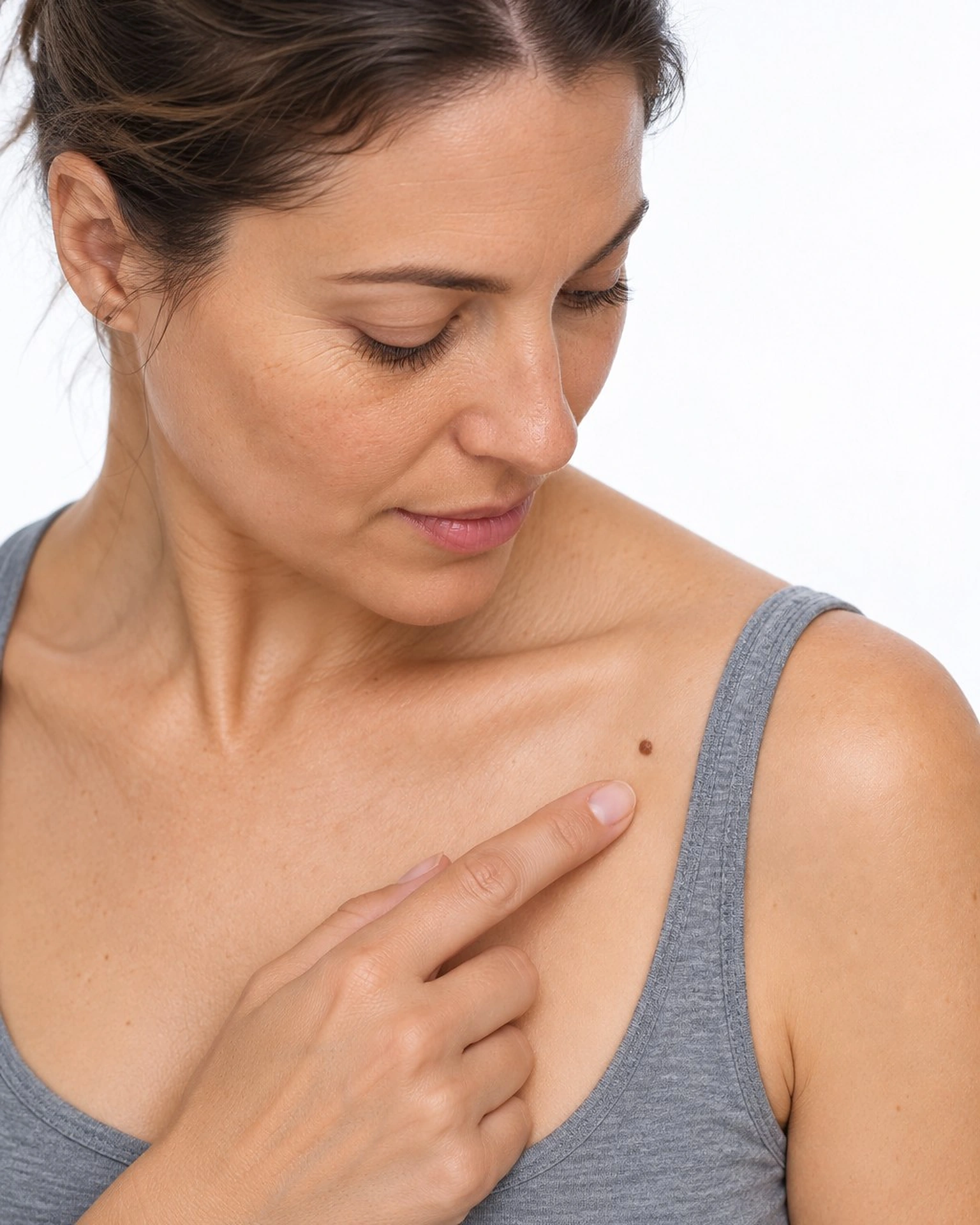
Medical Skin Care 01 of 04Mole, skin growth and skin cancer assessment
A new spot. A changing mole. A reason to have it checked.
If a mole looks different, a growth has appeared or an area keeps bleeding or failing to heal, begin with medical assessment before considering cosmetic removal.
How we can help
Examine the area and its history to determine whether monitoring, further investigation, treatment or referral is appropriate. Where a diagnosis is uncertain, a tissue sample may be needed.
What helps us understand the spot
- When the spot appeared and how it has changed
- Changes in size, shape, colour or symptoms
- Previous skin cancer and relevant family history
- Earlier photographs, assessments or treatments
What the findings may mean
Not every unfamiliar spot is skin cancer. Equally, a spot cannot always be identified by appearance alone. The next step depends on the findings.
Your next steps
Whether further investigation is needed, how any biopsy or referral would be arranged, and how results and follow-up would be communicated.

Medical Skin Care 02 of 04Eczema, dermatitis and rash care
When itching and irritation keep returning.
Dry, inflamed or sensitive skin can interrupt sleep and make everyday routines uncomfortable. A recurring rash deserves a clearer explanation than another change of product.
Care for recurring symptoms
Identify the likely cause, ease symptoms and develop a manageable approach to flare-ups and everyday skin care. Depending on the diagnosis, treatment may include prescription medication and changes to products or relevant irritants.
Understanding your flare-ups
- Where the rash appears and how often it returns
- Itching, soreness, dryness and sleep disruption
- Skin care products and possible irritant exposure
- Previous treatments and how your skin responded
What to expect
Different conditions can cause similar rashes. Treatment should follow the assessment, and recurring symptoms may require review or further investigation.
Your care plan
The working diagnosis, recommended treatment, daily skin care and when to return if symptoms persist or change.
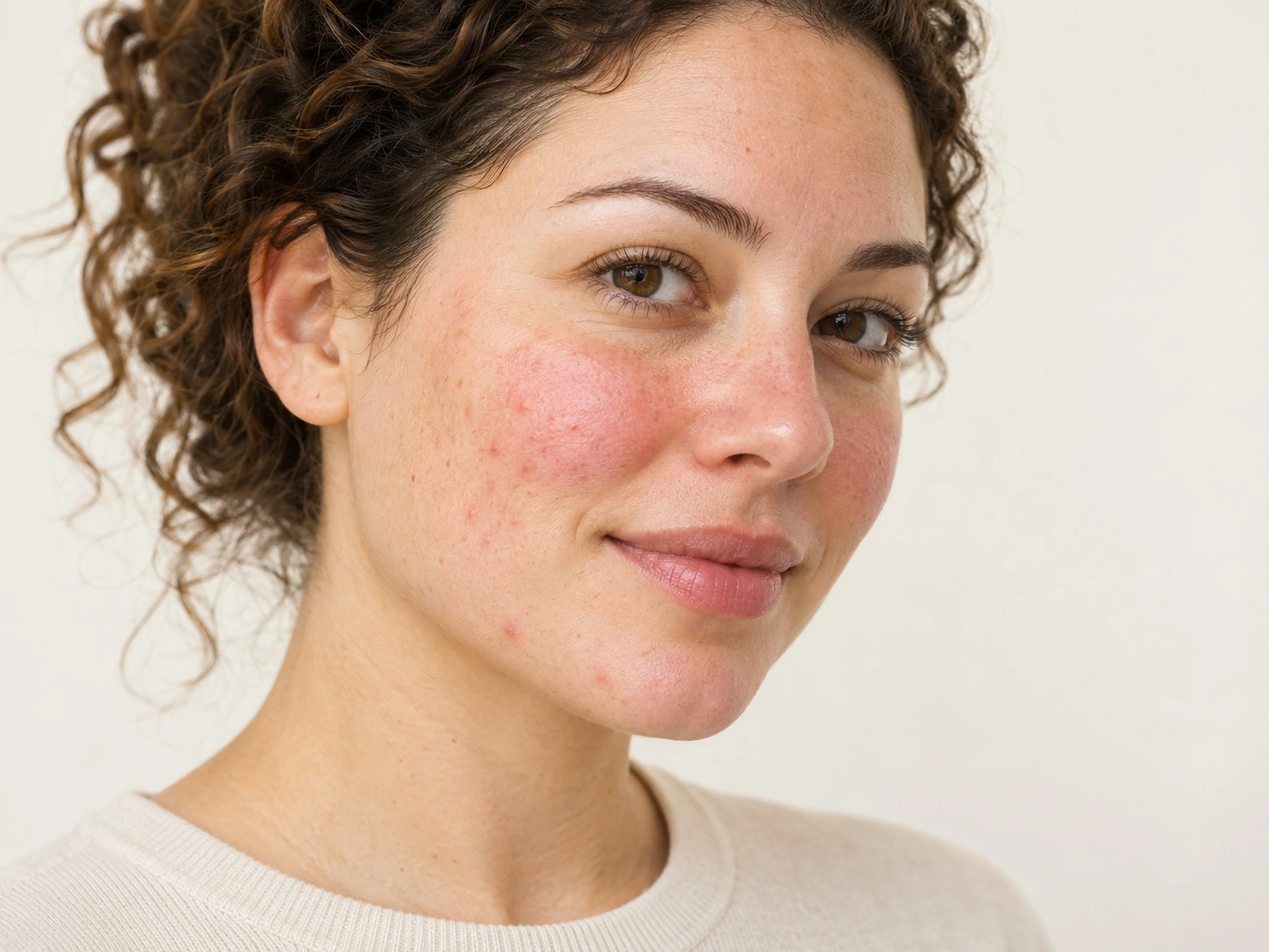
Medical Skin Care 03 of 04Acne and rosacea care
Persistent breakouts. Facial redness. Different concerns that need the right approach.
Spots, flushing and sensitive skin can overlap, making it difficult to know what to treat. Understanding whether acne, rosacea or another condition is involved helps guide care.
Care for breakouts and redness
Acne management addresses breakouts and inflammation. Rosacea management may address flushing, persistent facial redness, sensitivity and acne-like bumps. Treatment can include prescription medication and supportive skin care.
Understanding your skin
- The type, location and pattern of symptoms
- Sensitivity, flushing and possible triggers
- Products, medications and previous treatments
- Scarring, lingering marks and the impact on daily life
What to expect from care
Acne and rosacea require different approaches. Progress may need review, and treatment for active symptoms differs from treatment for remaining marks or scars.
What we'll discuss together
The recommended treatment, changes to your routine, how progress will be assessed and when follow-up is appropriate.
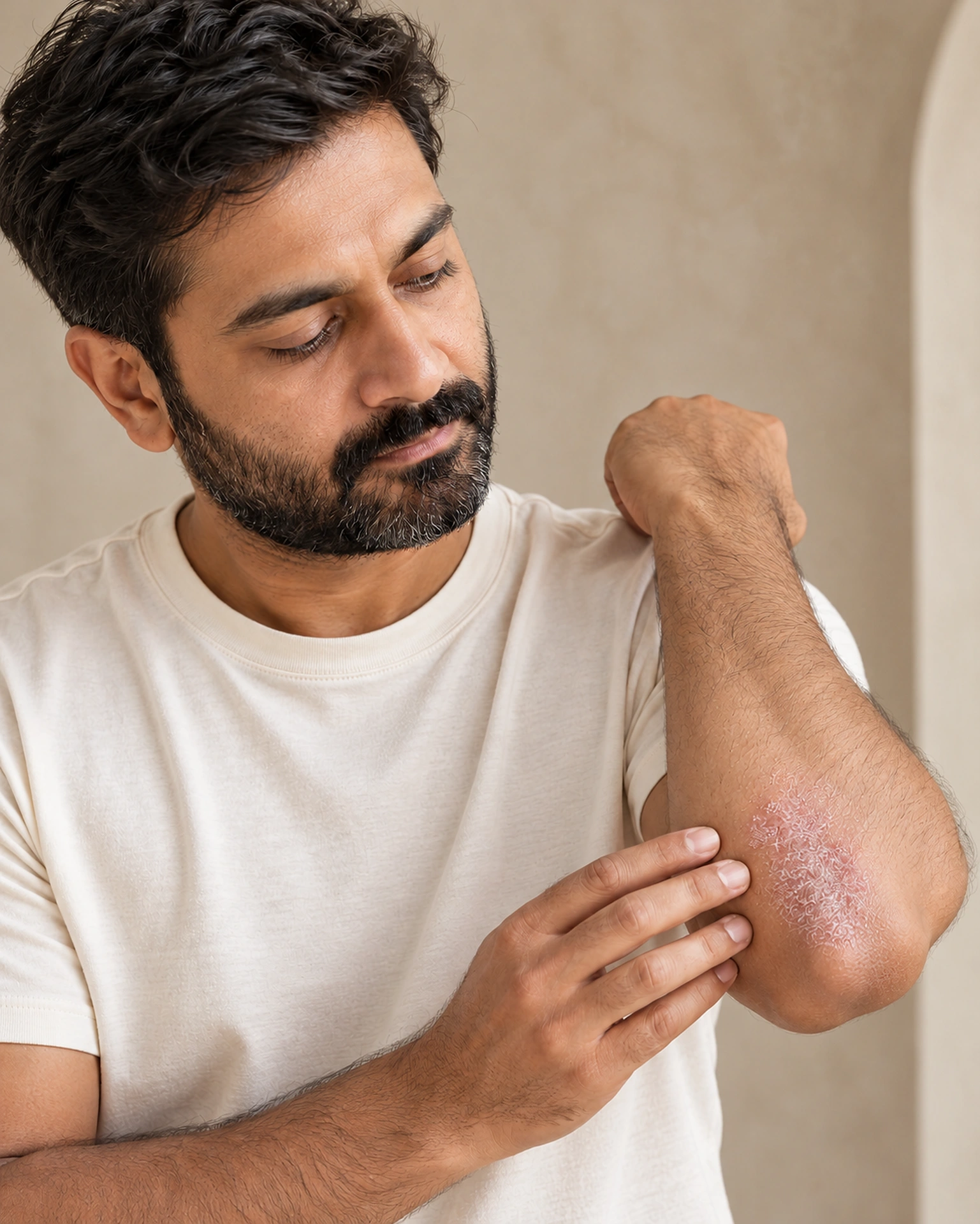
Medical Skin Care 04 of 04Psoriasis care
When scaly patches affect your everyday comfort.
Persistent scaling, itching or soreness on the skin or scalp can be difficult to manage alone. Assessment helps establish whether psoriasis is responsible and what care may help.
Managing symptoms
Control symptoms, reduce inflammation and make flare-ups more manageable. Depending on severity, care may include topical treatment, supportive skin care or referral for additional options.
Understanding your symptoms
- The areas affected and extent of symptoms
- Itching, soreness and effects on daily life
- Previous treatments and response
- Nail changes, joint pain, swelling or stiffness
Living with psoriasis
Psoriasis is a long-term condition. Treatment can help control symptoms, but it does not provide a permanent cure. The plan may need adjustment over time.
Planning ongoing care
Treatment options, how to use them, when to review progress and whether further assessment is appropriate.
Beyond Skin Care
With Us, Care Goes a Little Further.
Sometimes, a skin concern may be connected to your wider health.
If your symptoms suggest this, we can discuss whether additional medical assessment or testing may be helpful.
Through East Guelph Family Health Group, we can help you explore related care, including hormone-related assessments and family medicine, when appropriate.
Area of care 02 / 03
Facial Aesthetics
Consider the change. Understand the options.
Facial aesthetics should begin with understanding what matters to you. Whether you're considering subtle changes to expression lines, facial contours or skin texture, our approach focuses on your individual features, goals and realistic treatment options.
Services Neuromodulator injections Dermal fillers Microneedling Chemical peels
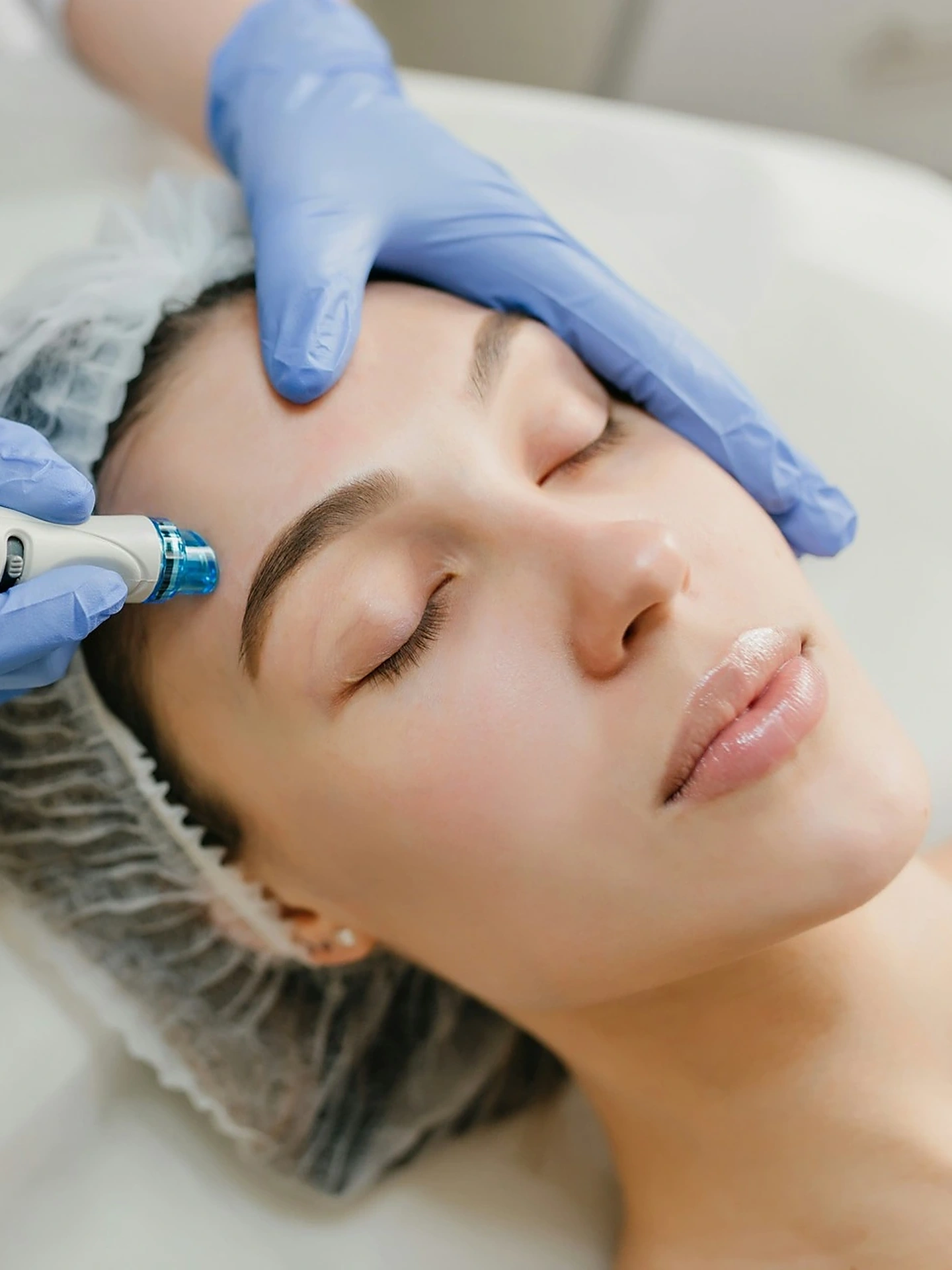
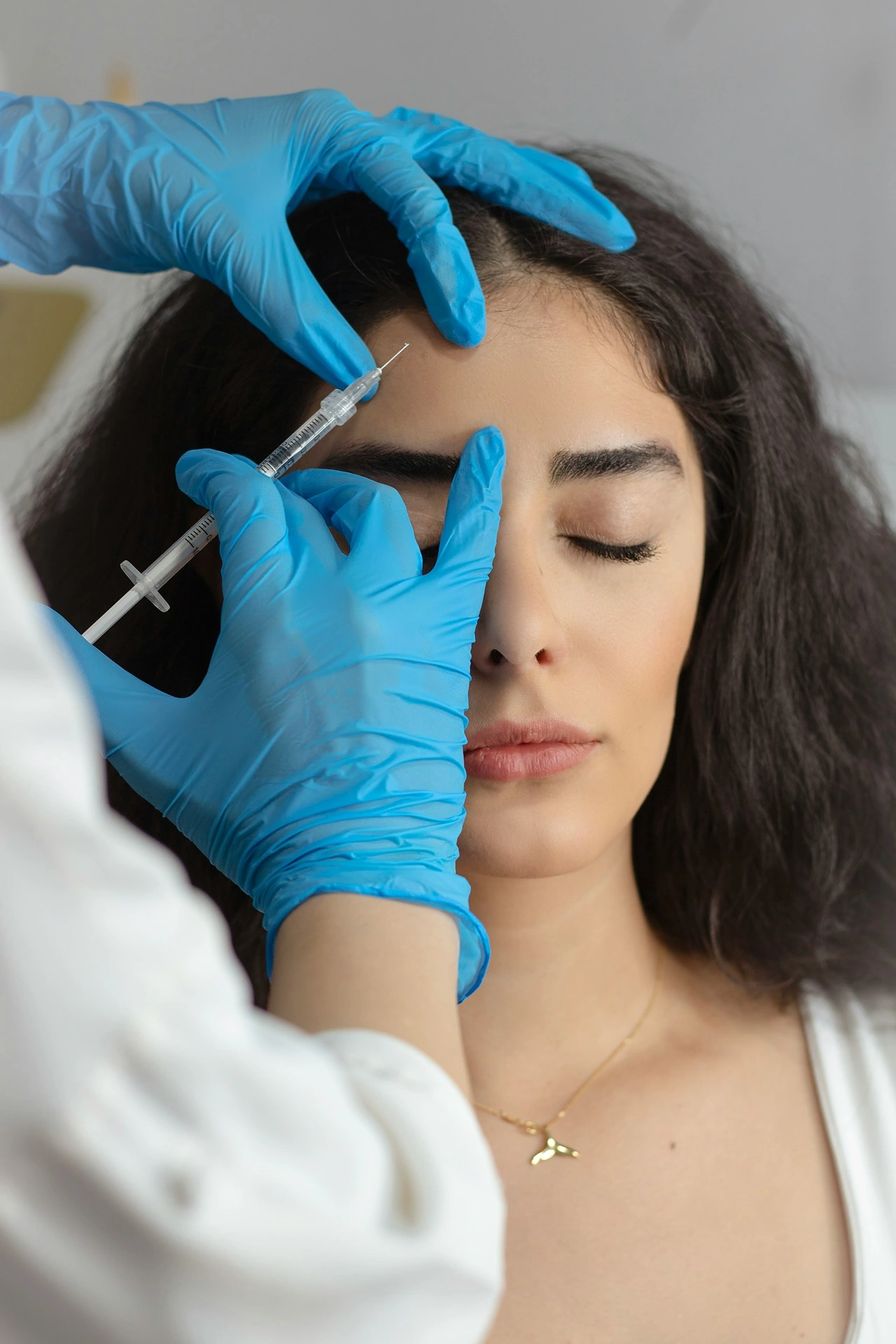
Facial Aesthetics 01 of 04Neuromodulator injections
Interested in softening expression lines?
Lines across the forehead, between the brows or around the eyes can become more noticeable with facial movement. Neuromodulator injections may help soften selected lines.
What this treatment may help with
Temporarily reduce activity in selected facial muscles to soften lines associated with expression.
Is it right for you?
- Facial movement and the lines that concern you
- Your anatomy and desired degree of change
- Health history and medications
- Previous injections and treatment response
Results and limitations
Results are temporary. Neuromodulators do not add volume or treat every type of line. Suitability and potential side effects depend on the individual and proposed treatment.
What we'll discuss together
The treatment areas, proposed product, expected effects, risks, aftercare, review arrangements and costs.
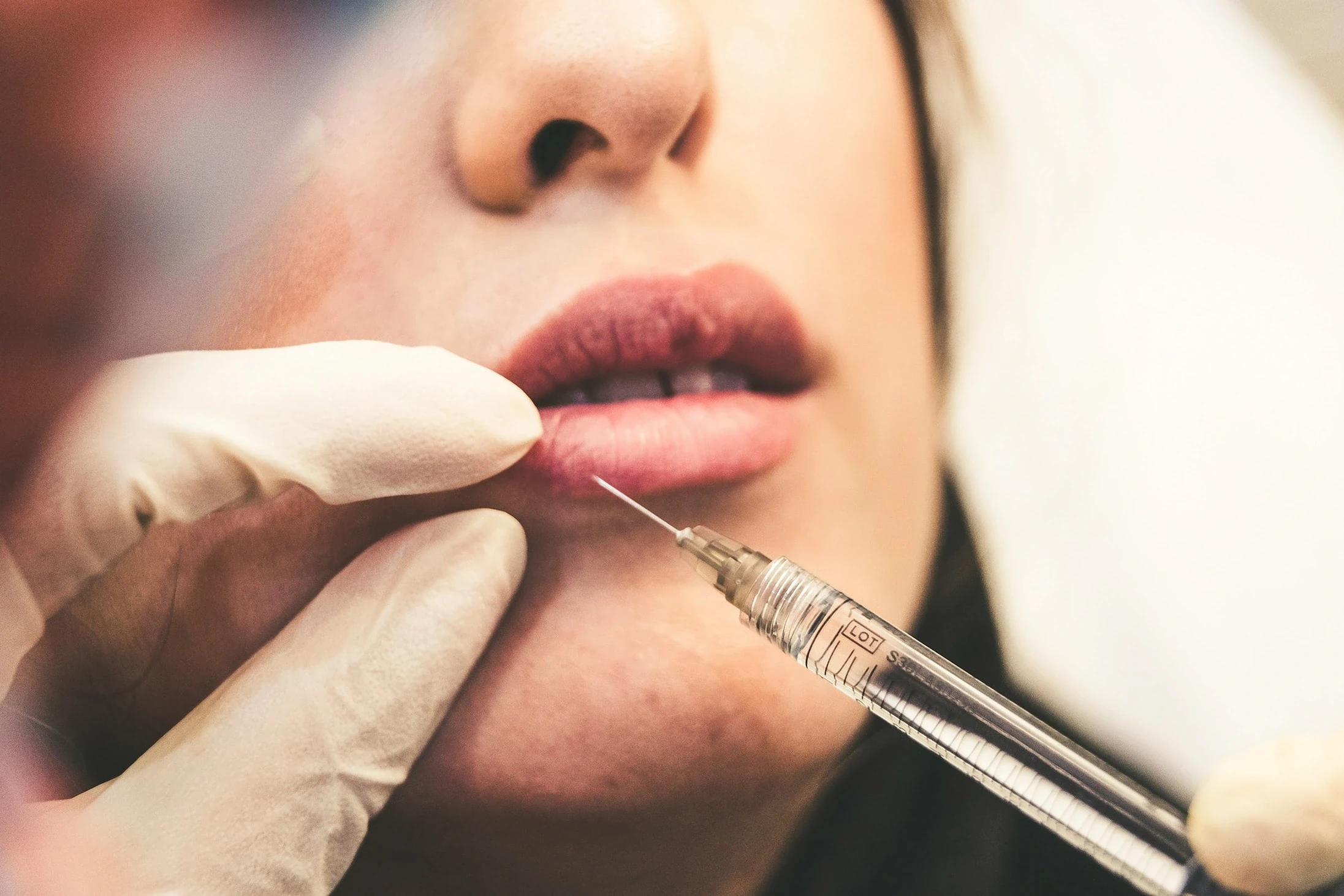
Facial Aesthetics 02 of 04Hyaluronic acid dermal fillers
Considering a change in fullness, lips or facial contour?
You may have noticed volume loss or want to explore the shape of a particular feature. A filler consultation considers the area within the balance of your whole face.
What fillers may help with
Use an injectable hyaluronic acid gel to add volume or shape in selected areas, where appropriate.
Your features and goals
- Facial proportions and the feature of concern
- Skin and tissue characteristics
- Previous filler or other procedures
- Health history and desired change
Important risks and limitations
Filler does not suit every concern or replace surgical lifting. Treatment carries risks, including rare but serious complications, which need to be explained before proceeding.
Before you decide
The proposed product and areas, realistic outcome, risks, aftercare, follow-up arrangements and costs.
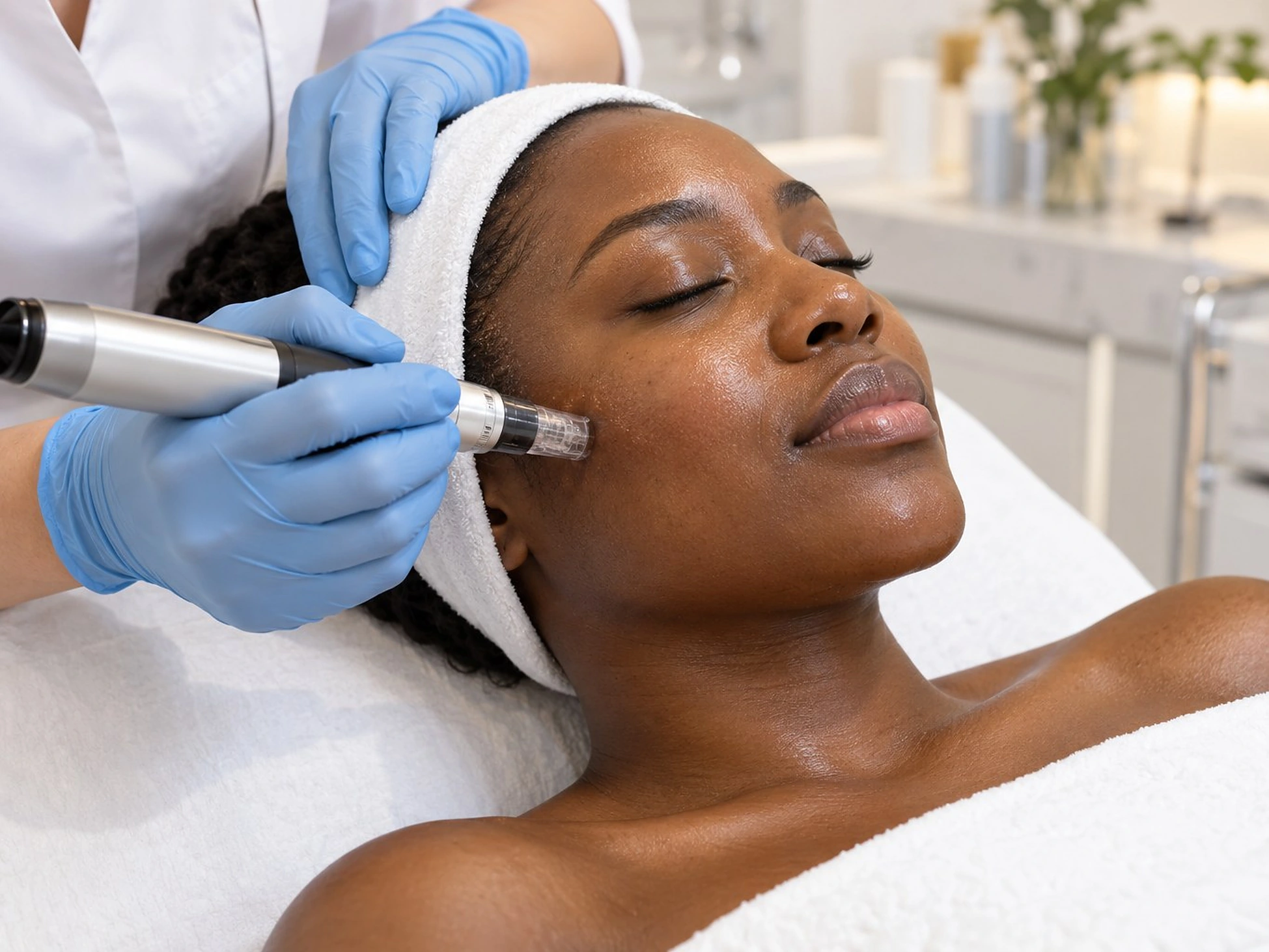
Facial Aesthetics 03 of 04Microneedling
When uneven texture remains after breakouts have settled.
Acne scars, fine lines and changes in texture can remain visible despite a consistent skin care routine. Microneedling may be an option for selected concerns.
What microneedling may help with
Use fine needles to create controlled punctures in the skin, stimulating a repair response that may improve the appearance of certain scars, texture changes and fine lines.
Is it right for my skin?
- The type and depth of the texture concern
- Active acne, irritation or infection
- Skin tone, pigmentation and healing history
- Medications and previous procedures
Results and recovery
Improvement varies, and scars are not completely erased. Active skin conditions may need treatment first. Your skin tone, healing history and risk of pigment changes help guide the approach. Preparation and aftercare are part of the plan.
Planning your treatment
The proposed method, realistic improvement, risks, appointment planning, aftercare and costs.
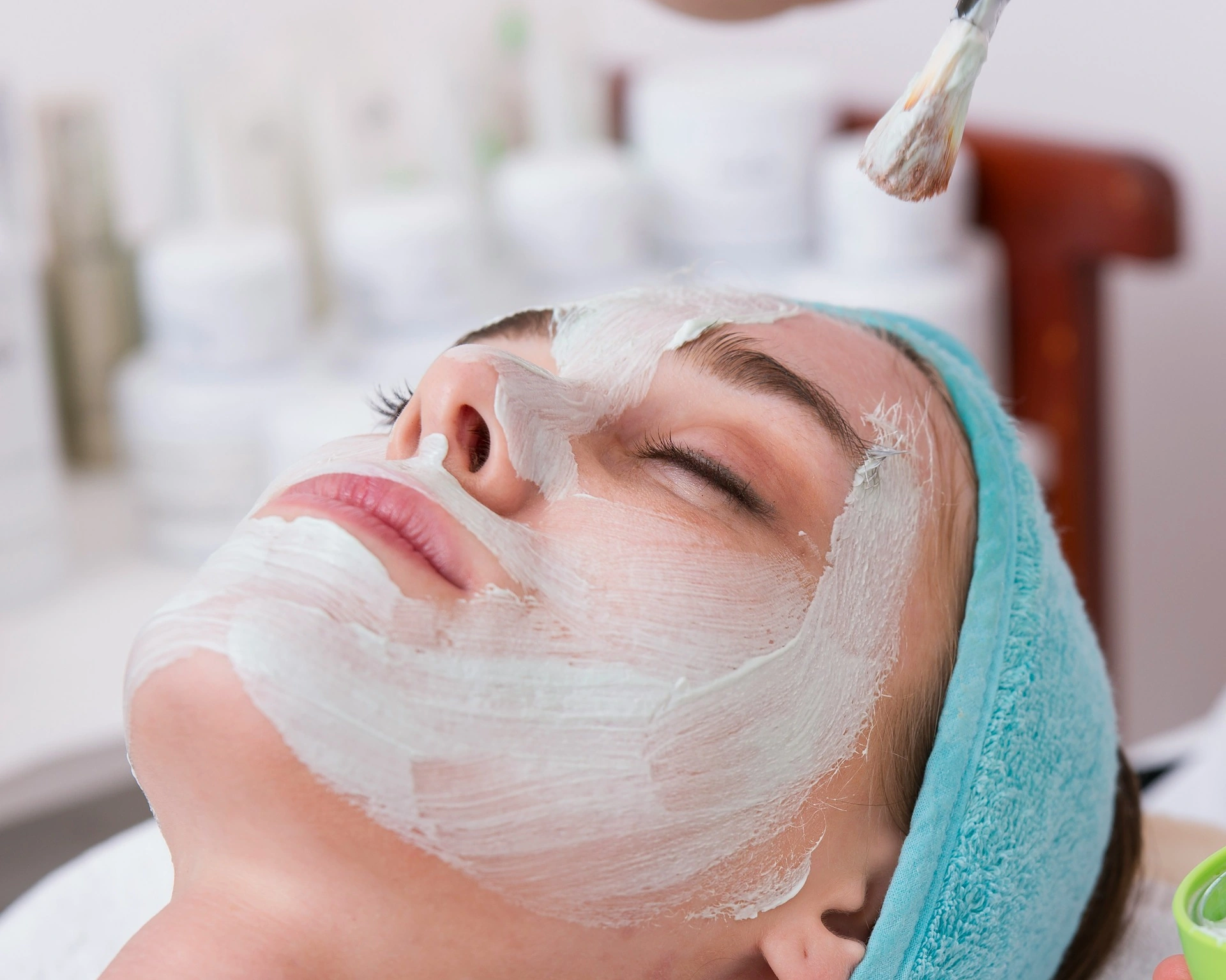
Facial Aesthetics 04 of 04Chemical peels
Looking for smoother texture or more even-looking tone?
Roughness, uneven pigmentation and some superficial skin concerns may benefit from a carefully selected chemical peel.
What a peel may help with
Apply a chemical solution to exfoliate the skin at a controlled depth. The purpose and effect depend on the formulation, strength and concern being addressed.
Choosing a peel for your skin
- Skin sensitivity and current skin condition
- Skin tone and history of pigment changes
- Medications and products in your routine
- Recent treatments and sun exposure
Risks and recovery
Peels vary in intensity and recovery needs. Irritation and pigment changes are possible, with risks influenced by skin tone and previous skin responses. A stronger peel is not automatically a better choice.
Before your peel
The proposed peel, preparation, expected effects, risks, aftercare, recovery considerations and costs.
Area of care 03 / 03
Laser Treatments
A focused approach to selected skin concerns.
Explore unwanted hair reduction and treatment options for brown spots, visible veins, changes in firmness and stretch marks.
Your skin tone matters in every treatment decision.
Laser treatments aren't one-size-fits-all. Your skin tone, pigmentation, hair characteristics, medical history and treatment goals all help guide which approach may be appropriate.
Certain laser treatments carry different risks for different skin tones. We'll discuss what may suit your skin, what results are realistic and what precautions may be needed.
The Fitzpatrick classification describes six skin phototypes, I–VI, based on how skin responds to sunlight. Skin tone is one of several considerations in clinical assessment; not every laser treatment or device is appropriate for every skin tone. A new or changing spot needs medical assessment before cosmetic treatment.
Services Laser hair removal Sun damage and brown spots Skin tightening Laser vein treatment Stretch mark reduction
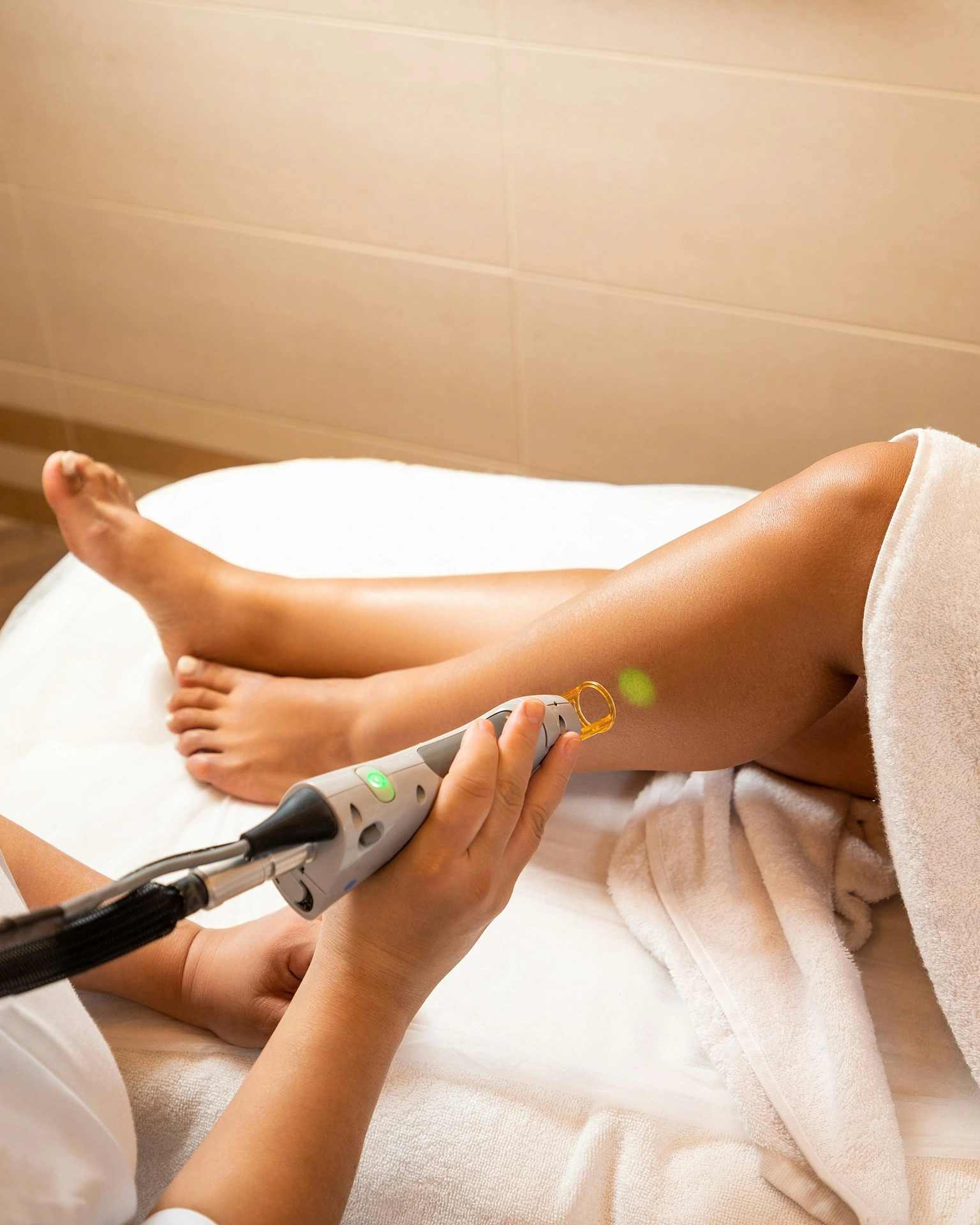
Laser Treatments 01 of 05Laser hair removal
Tired of shaving, waxing or plucking the same area?
Laser hair removal is intended to reduce unwanted hair in a specific area, such as the legs, underarms or face, with the aim of reducing how much hair grows back.
What hair reduction may offer
The goal is a lasting reduction in hair growth in the treated area. Most people consider it when regular hair removal has become time-consuming or irritates the skin.
Your skin and hair
- Your skin tone and how your skin responds to sun
- Hair colour and thickness in the area
- Recent waxing, plucking or tanning
- Medications and relevant health history
Results and limitations
Hair reduction is the realistic aim; complete and permanent removal is not promised. Some hair types respond less well, and occasional maintenance may be discussed.
Planning appointments
Preparation before each appointment, the number and spacing of appointments, possible side effects, aftercare and the cost of the proposed plan.

Laser Treatments 02 of 05Sun damage and brown spots
Brown spots or uneven tone after years in the sun?
Sun-related pigmentation, such as freckling and flat brown spots, is common. Some spots are purely cosmetic; others need a medical look first.
What treatment may help with
Where a spot is confirmed as cosmetic, treatment aims to lighten or reduce the appearance of sun-related pigmentation and even out skin tone.
Understanding your pigmentation
- What the spot is and how long you have had it
- Any change in size, shape or colour
- Your skin tone, pigmentation history and sun exposure
- Previous treatments and current skin care
What to expect
Not every brown spot is a cosmetic concern, and not every spot is suitable for cosmetic treatment. Skin tone and a history of pigment changes influence the approach and risks. New or returning pigmentation is possible, particularly with continued sun exposure.
Before cosmetic treatment
Whether cosmetic treatment is appropriate, the proposed approach, preparation, aftercare, sun protection during treatment and the cost of the plan.

Laser Treatments 03 of 05Skin tightening
Noticing softer contours along the jaw or neck?
Skin naturally loses some firmness over time. Skin tightening treatments are intended to address mild to moderate changes in firmness and texture.
What tightening may help with
The aim is a gradual improvement in how firm and smooth the skin looks in areas such as the jawline, neck or face. It is not a substitute for surgical lifting.
Your skin and goals
- The area and the degree of change in firmness
- Your skin quality, tone, pigmentation history and health history
- Previous treatments in the same area
- What you hope to see change
Realistic expectations
Change is typically subtle and develops over time. Skin tone and previous treatment responses help guide the method and precautions. Where firmness has changed significantly, this treatment may be unlikely to meet your goals.
Planning your care
The proposed approach, how results will be reviewed, possible side effects, aftercare, appointment planning and the cost of the plan.

Laser Treatments 04 of 05Laser vein treatment
Small visible veins on your face or legs?
Fine red, blue or purple veins near the surface of the skin are common. Some can be treated cosmetically; others need a different kind of assessment.
What laser vein treatment may help with
Cosmetic laser vein treatment aims to reduce the appearance of suitable small visible veins. The scope depends on the type, size and location of the veins.
Is it right for my skin?
- The type, size and location of the veins
- Any symptoms such as aching, swelling or skin changes
- Previous vein assessments or treatments
- Your skin tone, pigmentation history and health history
Results and limitations
Not every visible vein is suitable for cosmetic laser treatment. Skin tone influences the approach and risk of pigment changes. Treated veins may fade gradually, and new veins can appear over time.
What we'll discuss together
Which areas can be treated, the proposed approach, possible side effects, aftercare, appointment planning and the cost of the plan.

Laser Treatments 05 of 05Stretch mark reduction
Would you like stretch marks to be less noticeable?
Stretch marks are common after growth, pregnancy or weight change. Treatment may soften how they look, but it does not make them disappear.
What treatment may help with
The aim is a visible improvement in the colour or texture of stretch marks, so they blend more closely with the surrounding skin.
Your skin and stretch marks
- Whether the marks are newer (red or purple) or older (pale)
- Their location and size
- Your skin tone, pigmentation history and health history
- Whether you are pregnant or breastfeeding
Realistic improvement
Complete removal is not the expected outcome. The degree of change varies between people and between newer and older marks. Skin tone, pigmentation history and healing responses also influence treatment choices and precautions.
Planning your treatment
The proposed treatment method, how progress will be assessed, possible side effects, aftercare, appointment planning and the cost of the plan.
You can start with the concern.
You do not need to know whether your next step is medical skin care, facial aesthetics or laser treatment. Tell us what you have noticed and what you would like help understanding.
Request a consultation